
.jpeg)
NHS Trusts manage some of the most complicated and important real estate in the UK. Historic buildings and new developments are mixed together in campuses; hospitals and specialist health centres spread across districts. Millions of time-critical journeys take place each month. Stressed patients, concerned visitors and focused staff need support to locate the correct ward, department or clinic.
Working with multiple NHS Trusts, Applied developed a comprehensive hospital wayfinding system that unifies the communication of navigation information across diverse healthcare estates. It tackles the core issues of wayfinding in a hospital environment by ensuring consistency, clarity and accessibility.
13 hospitals
2.5 million+ patients each year
34,000 members of staff
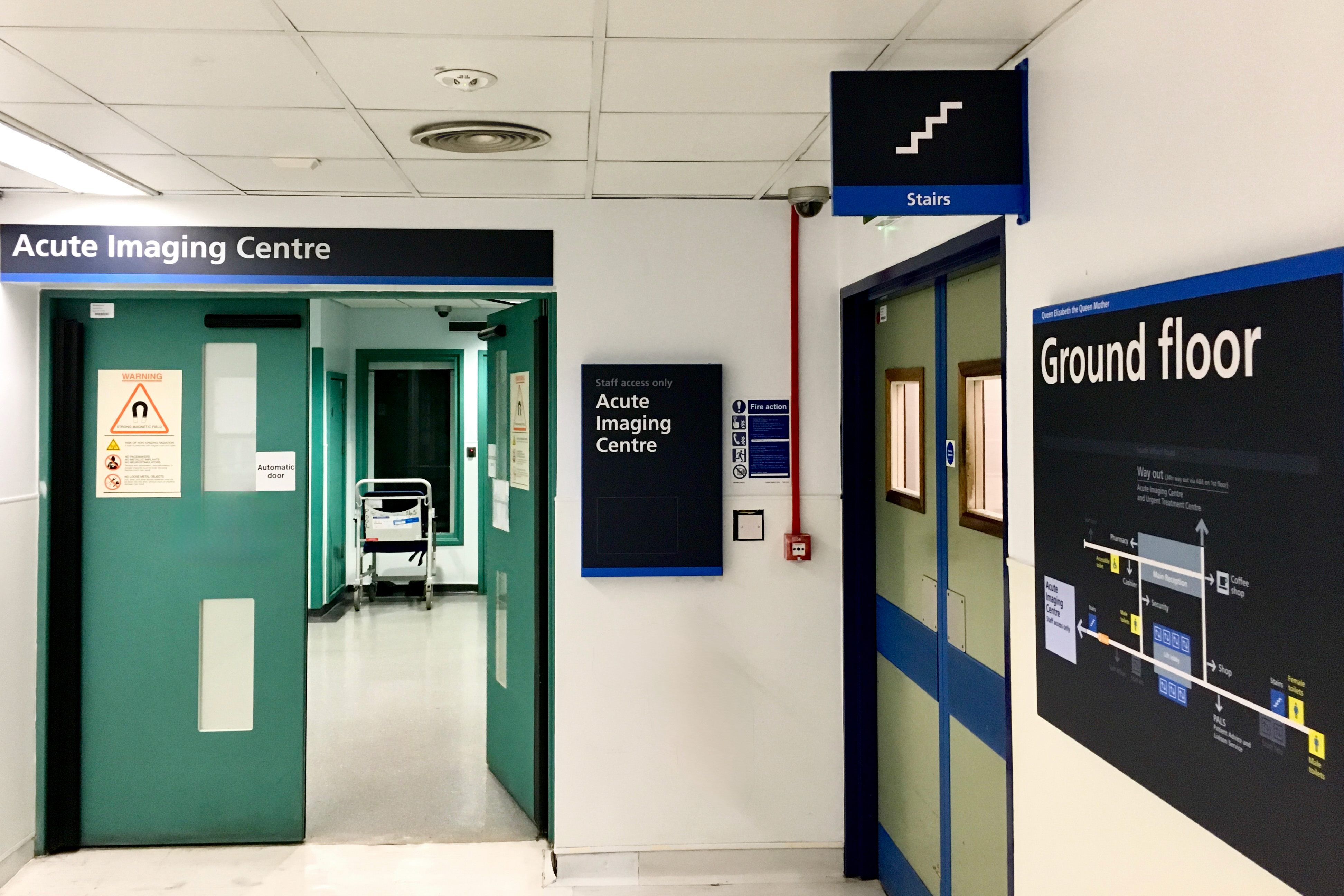

Using extensive research, cross-Trust collaboration and piloting, Applied delivered systems, guidance and training to University College London Hospitals, Imperial College Healthcare and London North West University Healthcare NHS Trusts.
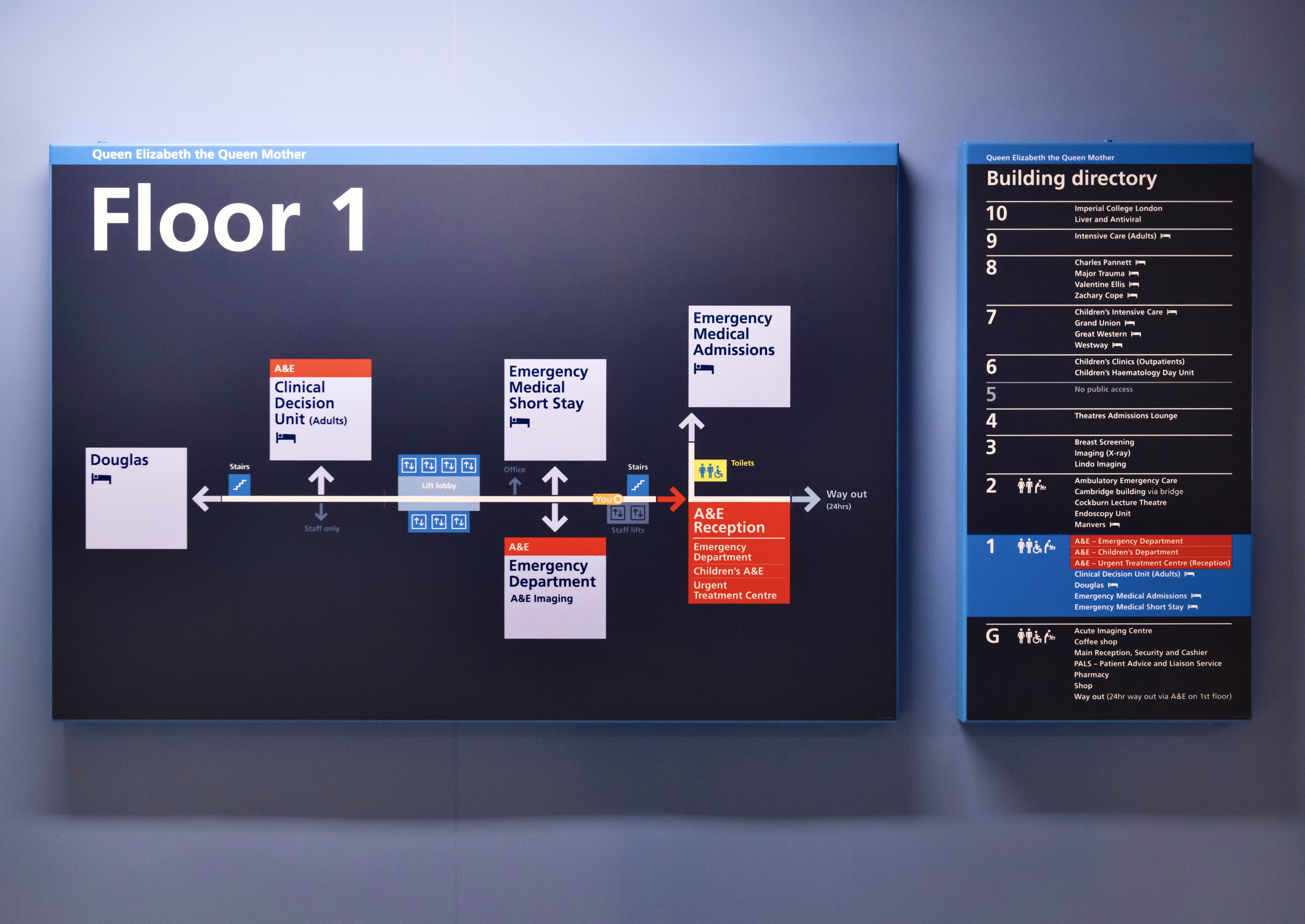
A modular, diagrammatic mapping system has been created for hospitals that embeds inclusive design principles. It is scalable, updatable and maintainable across large estates.

.jpg)
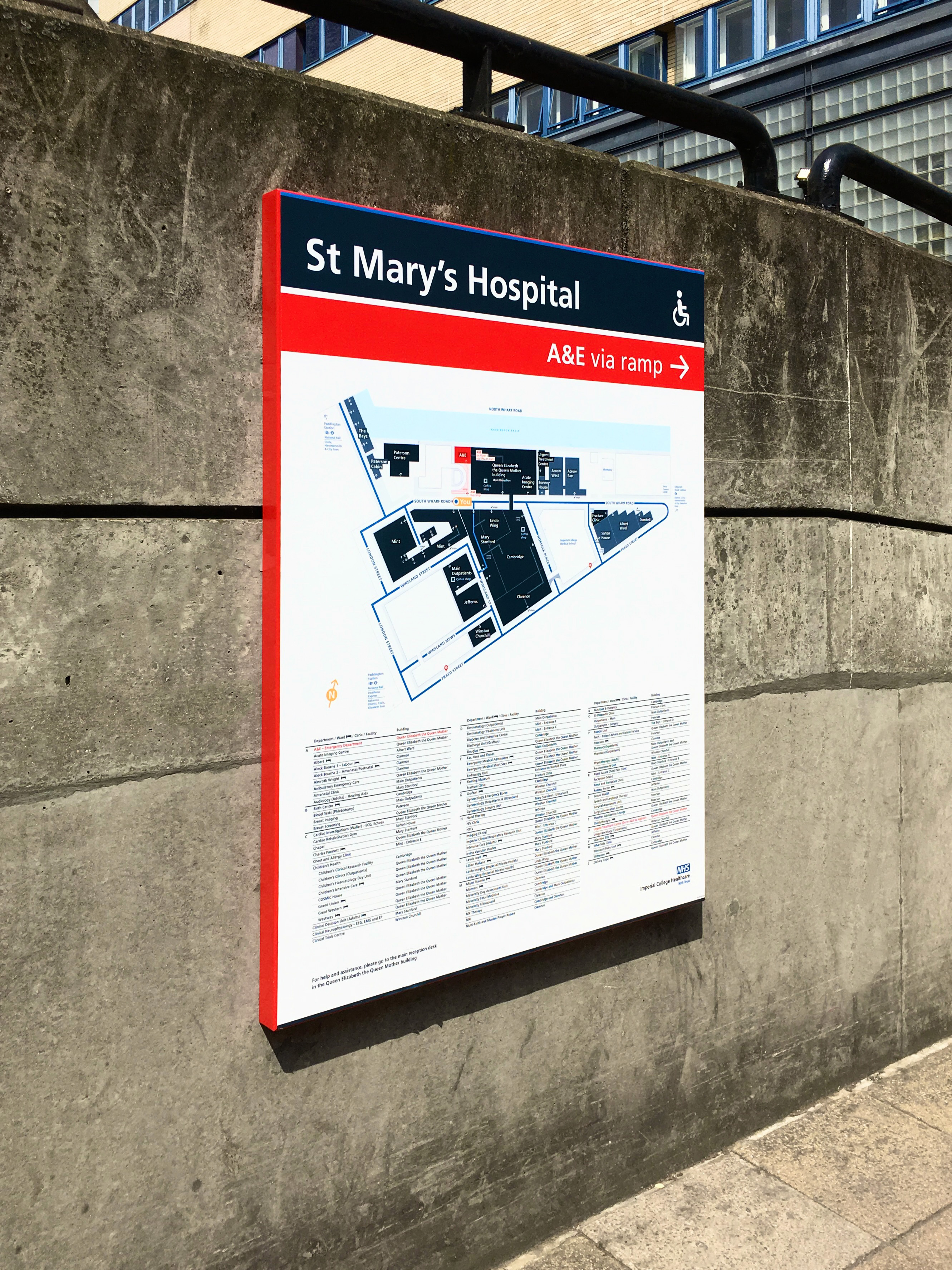
Mapping is a useful tool to help people quickly understand the layout of a building or floor and the route to their destination.
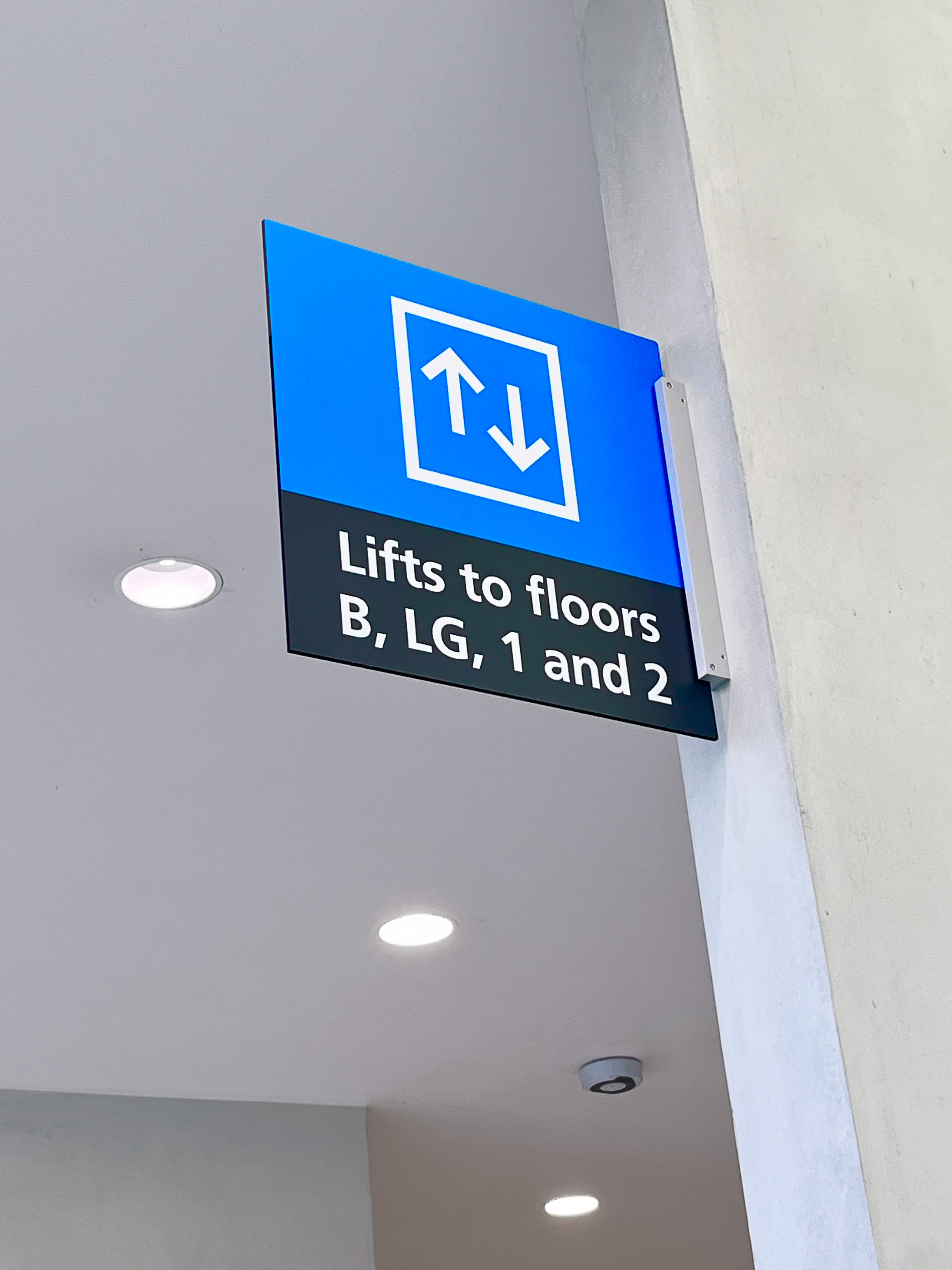
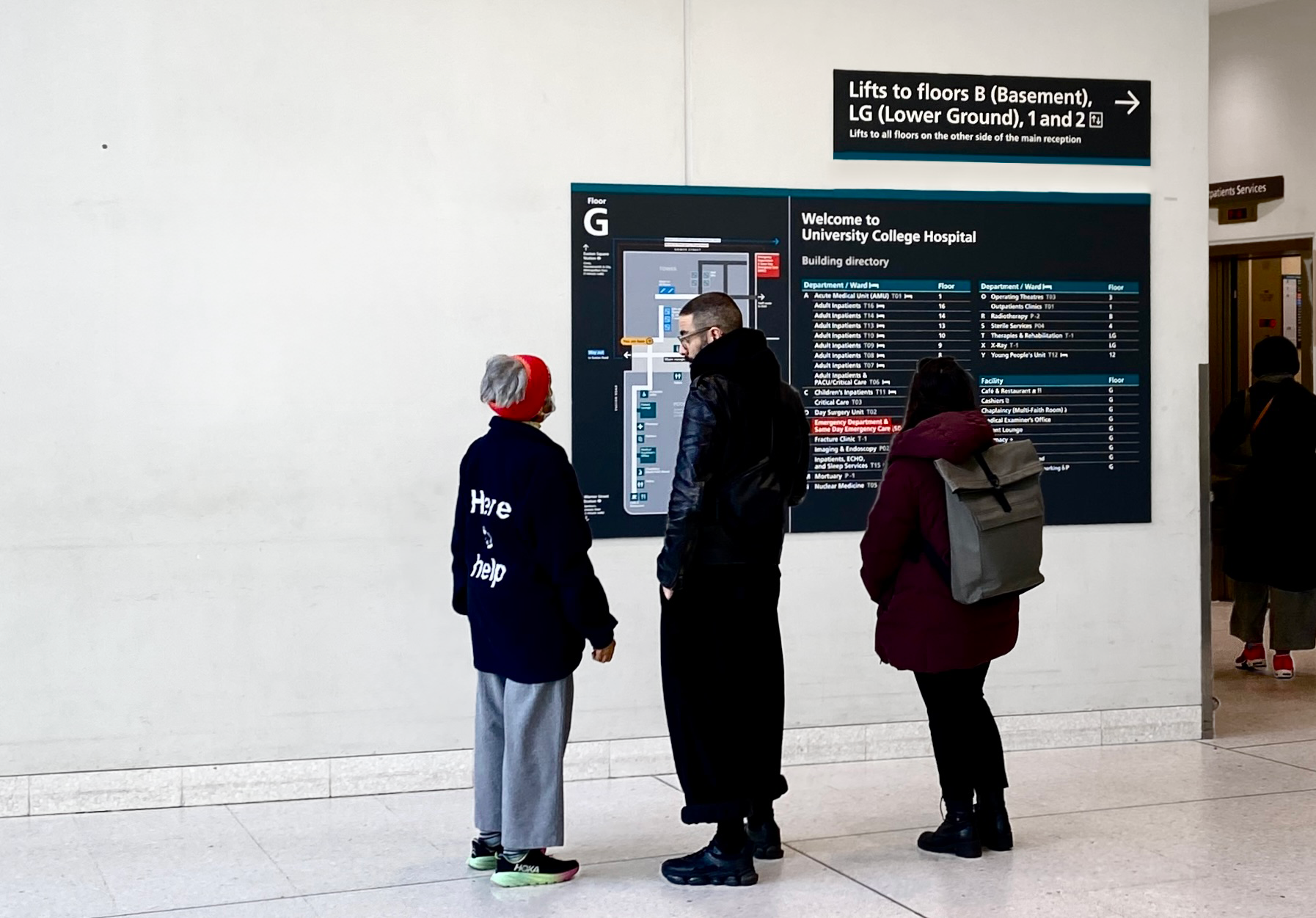
All system elements are tested in-situ with key stakeholders, including patient representation groups. The designs are then refined ahead of installation as a pilot or full rollout.

Progressive disclosure is critical to wayfinding in the hospital environment. It ensures patients and visitors are not overwhelmed with information at a time they may be stressed or in pain.
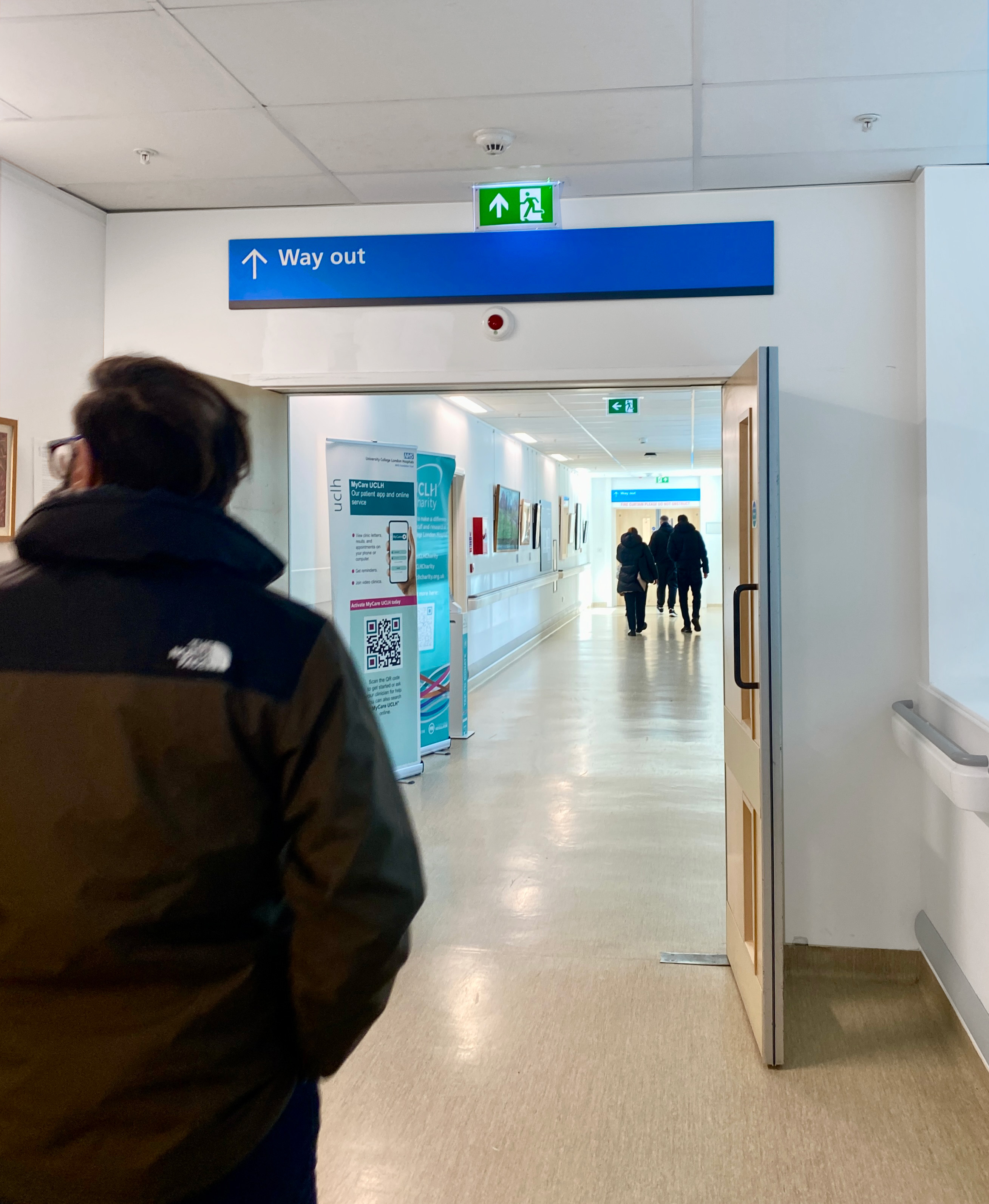
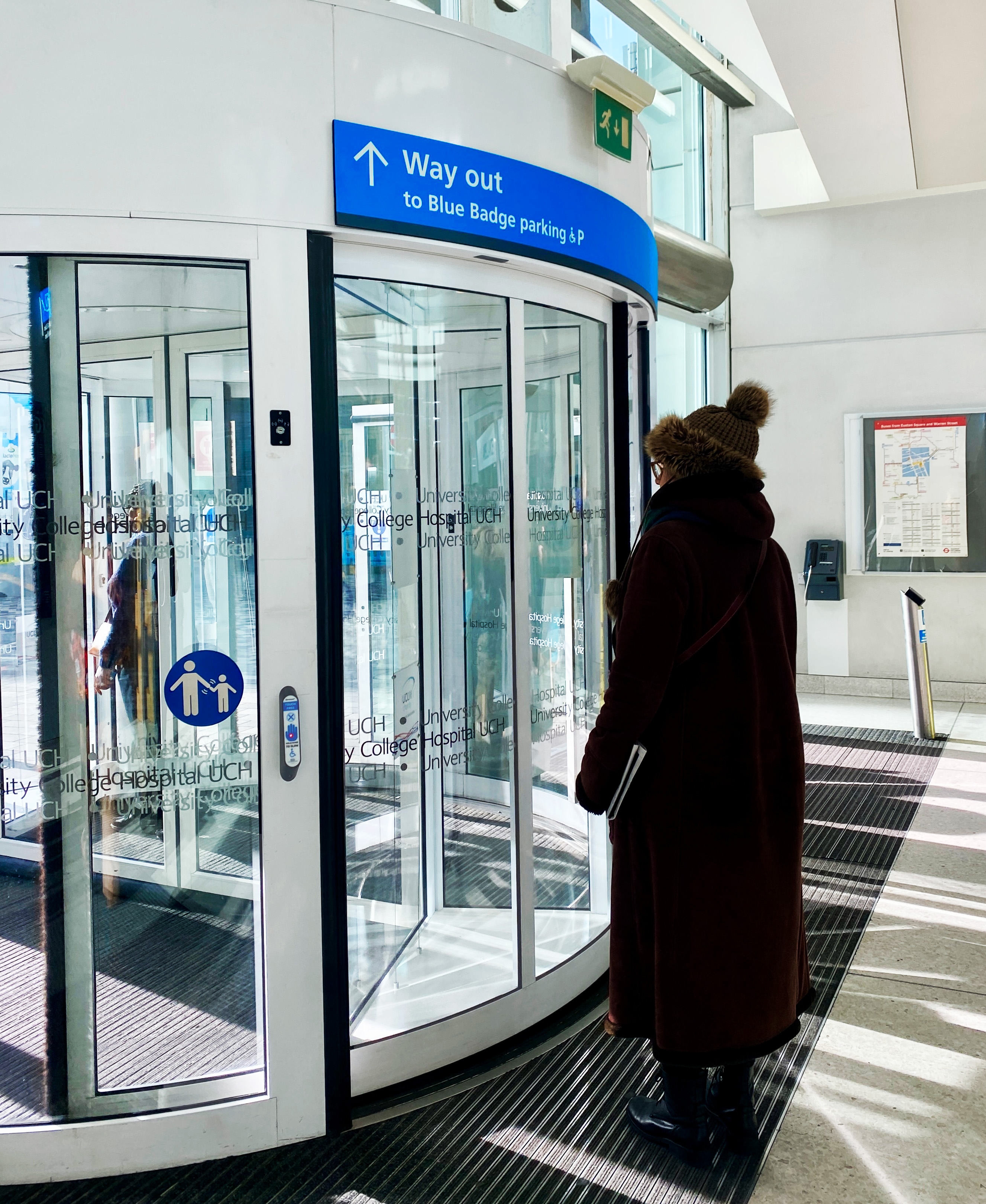
Journey planning often focuses on the arrival experience – prioritising guiding people to their destination. The exit route can be equally important, particularly for people in a heightened emotional state.

Alongside a dementia-friendly visual standard, the system considers the use of colour.
Not every person perceives colour in the same way. Colours within the wayfinding system are limited and carefully assessed for suitability.
They are used in combination with other elements, such as icons and text, to provide information to people who cannot rely on colour recognition.
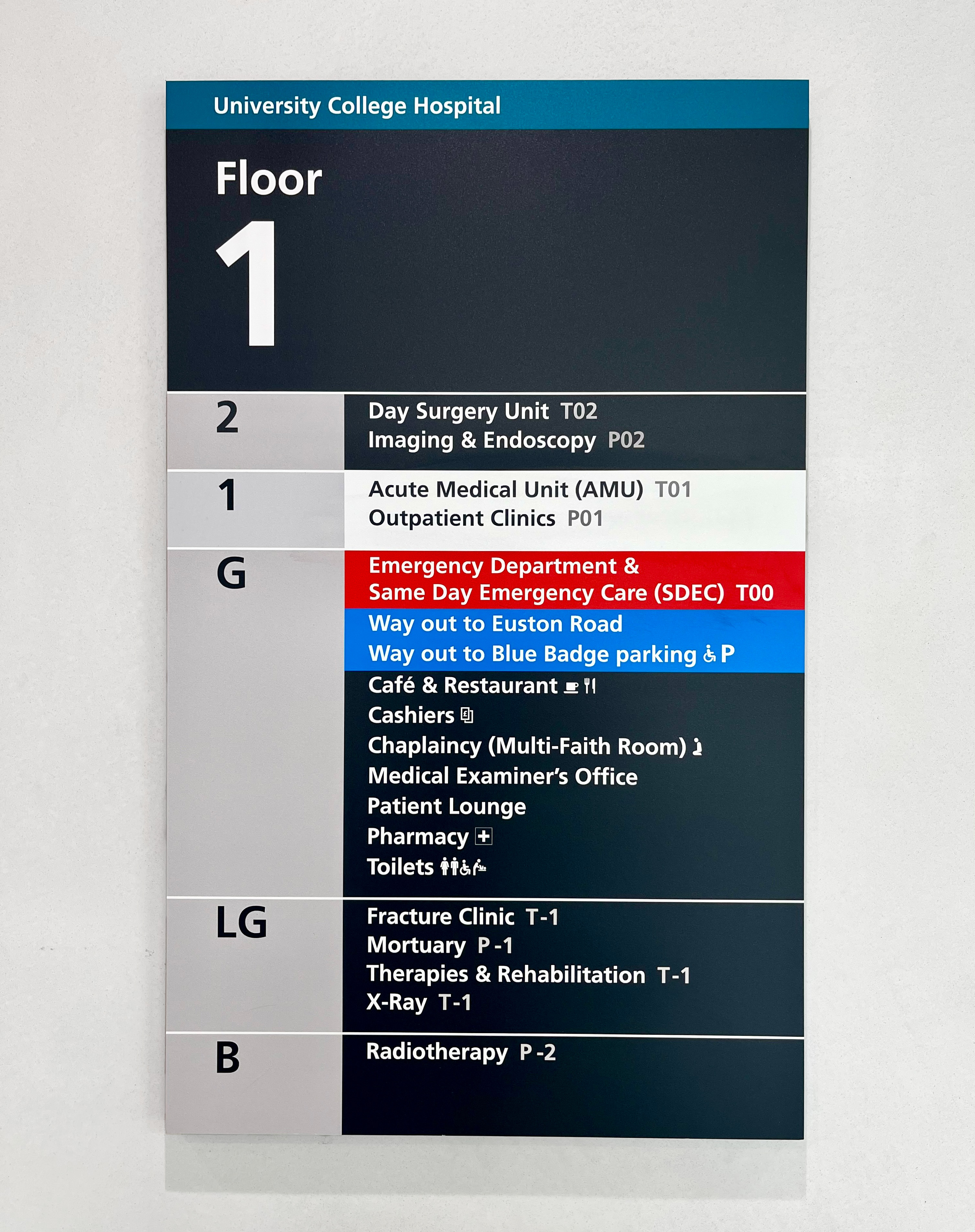

Colour contrast and function, as well as type size at different viewing distances, were tested for use within the system.


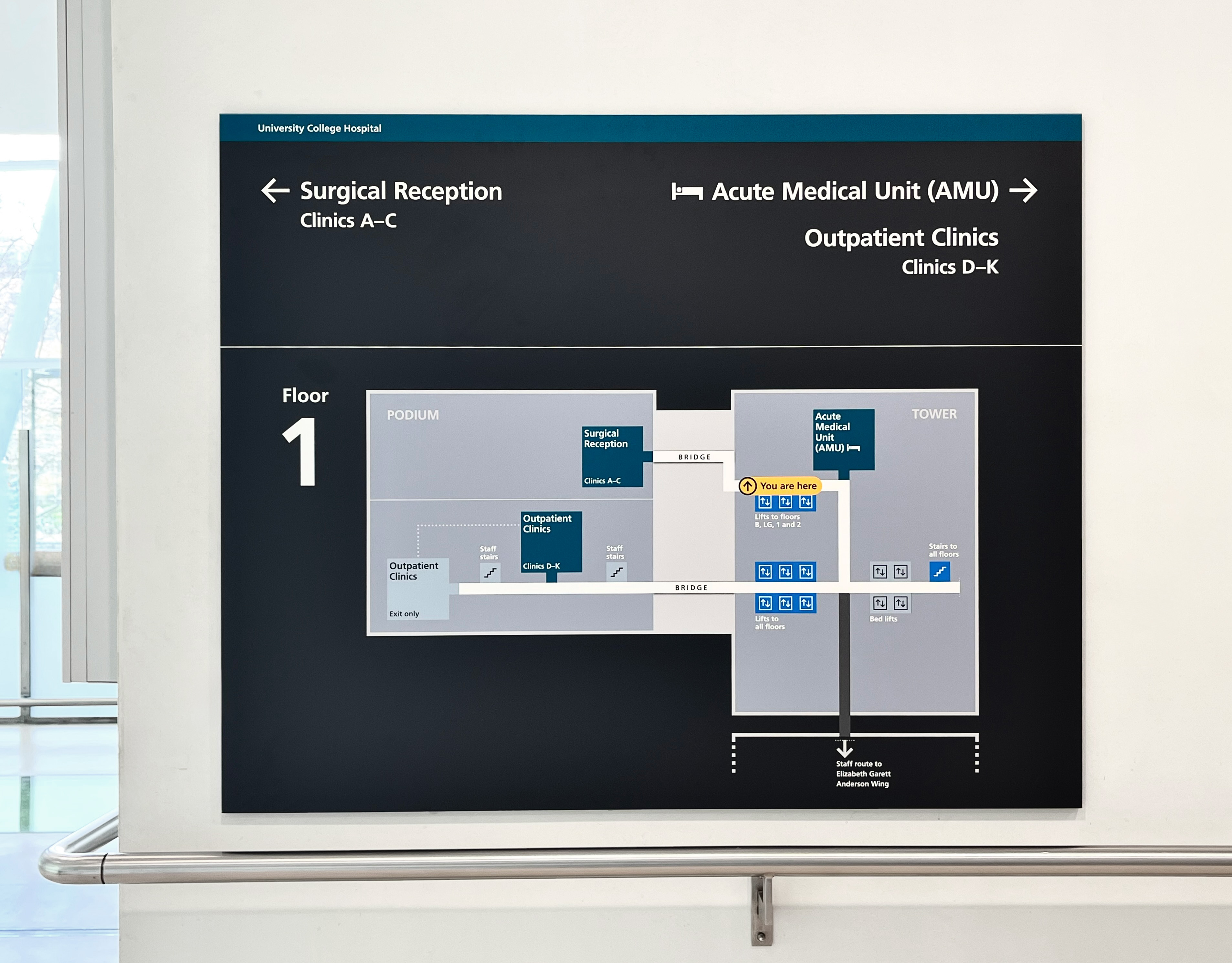
Sign templates with a defined graphic standard, information content hierarchy and placement rules enable implementation and management of the system by internal NHS Trust teams.

