
Alumni are central to how universities function. Their endowments, networks and reputations attract and uplift future generations of students. Yet, nurturing relationships with them can be tricky. What they connect with and how much communication they prefer is highly personal. It also evolves over time, making it hard to keep track of who wants what, when.
Reunion events offer one of the most impactful, tangible opportunities to renew and build these relationships. However, a lot changes in five, ten and fifteen years. Alumni quickly feel left behind on campus and digital solutions can be difficult to design around their unique needs.
We’ve gathered below insights from our campus map app, along with guidance on designing alumni needs into navigation tools. There’s a lot we can learn from their movements, their behaviour and their feedback. Data gathered from app users during reunion season adds another layer of understanding into how to better nurture and support this valuable group.
Pre-planning peak
App sessions during reunion period spike to roughly three times the seasonal daily average, making it the second highest usage period of the year. This begins over a month before, starting off with web searches, but quickly almost all of that growth comes from new installs: people downloading the app for a single, multi-day visit.
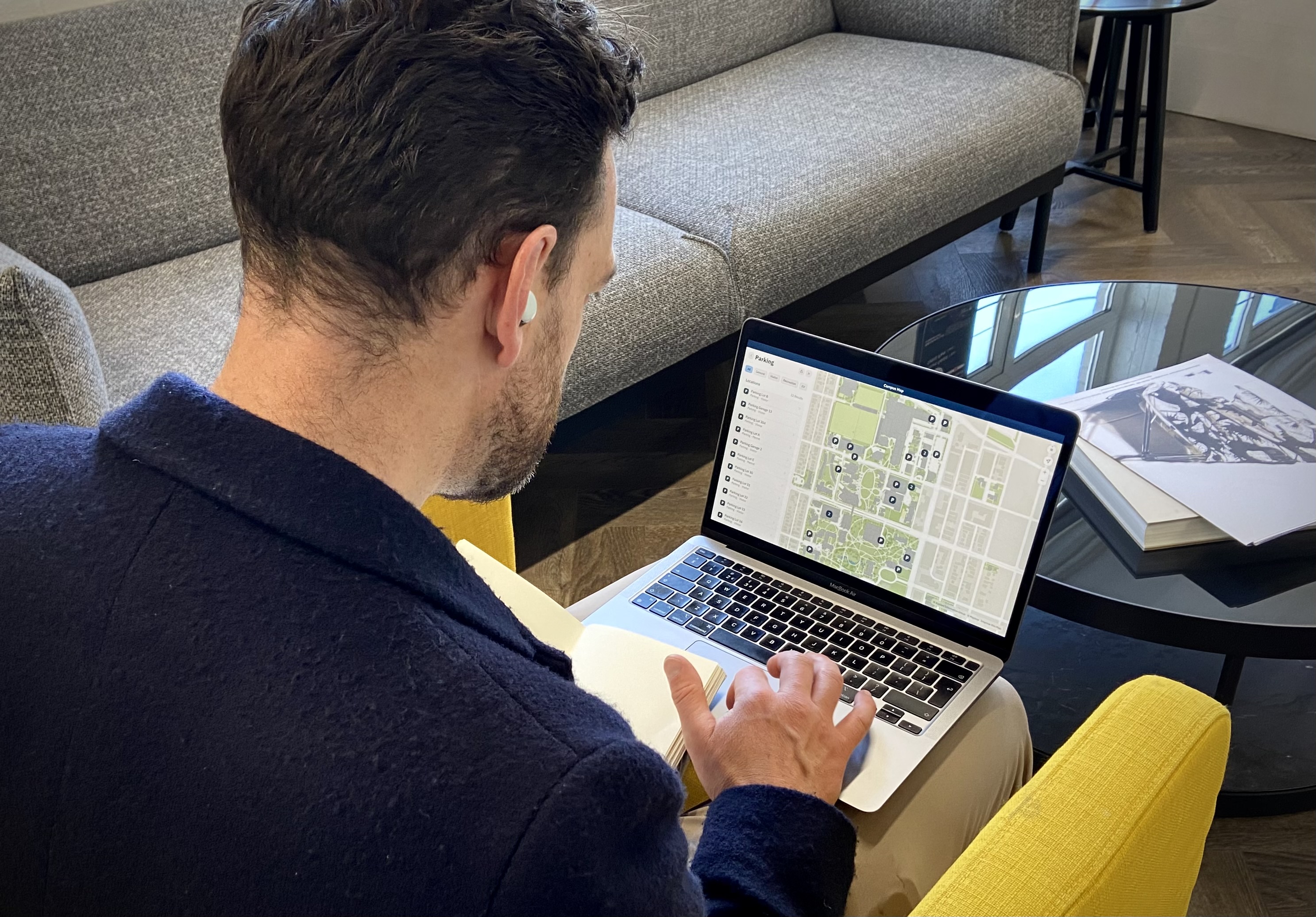
This is a good time to start preparing visitors for their arrival. Integrating information about public transit routes onto campus into a digital map guides visitors to choose more environmentally friendly travel options and avoids congestion. Clearly indicating, or enabling searches, for where EV or visitor parking is avoids stress at that critical moment of arrival, especially after a long journey. This first impression being back on campus can easily be tainted by a poor experience.
The predictably unpredictable
The reunion user’s behaviour looks unlike any other peak period in the data. In every other peak period, high-traffic destinations correspond to something on the academic calendar. For example, when September comes and new students arrive, there is a spike in app usage. It may be the busiest period of the year, but it is predictable. Route generation climbs sharply and the destination data tells the same story: the library, accommodation offices, the student union, key administrative buildings. You know who is using the app, you know what they need and where they want to go.
During reunions, usage climbs just as sharply, but the destination data stops making the same kind of sense. Sessions involve multiple destinations, with no obvious connection between them. Many of the destinations users navigate to fall outside anything obviously tied to the reunion programme or the academic calendar. What drives a meaningful portion of the behaviour is not events, but something harder to map: personal history and a relationship with places that have become core memories. The destinations are not random, but the logic behind them is personal rather than programmatic, which makes it difficult to predict.
Led by memory lane
A lot rides on this visit for alumni and for universities. It might be just a few days, but this makes it all the more important. Not only are reunion visitors one of the most app-dependent user groups, arriving with a detailed mental map of the campus that may be decades out of date and a short time scale to relearn their way around campus, they are some of the most emotionally engaged visitors.
This brings huge benefits. The joy they feel revisiting places or seeing positive change on campus can spark a desire to reengage in academic or network activities or donate. It’s also easy to get feedback, as they love sharing their thoughts and experiences. But there is a danger. They have a low tolerance barrier and are quick to react if something doesn’t work for them or they feel forgotten.
So what can universities do?

Support searches for places that no longer exist
Reunion visitors search for buildings and facilities that no longer exist, using names that have not appeared in official campus communications for years, such as former dining or residence halls and buildings that have since been renamed or removed. The campus map search queries during reunion periods contain a volume of obsolete terms that simply does not appear at any other time of year. It is, in data terms, a record of how the campus exists in memory versus how it exists today.
A strong search function inbuilt into the app that brings up the right location using an old or misspelt name helps alumni get around, but also makes them feel recognised – their experiences have not been overlooked.
Build around exploration, not a destination
Reunion period sessions on our app tend to run longer than other periods. A typical user opens the app to navigate from A to B. Reunion visitors frequently move through several seemingly unconnected destinations in a single session. The app is being used for exploration as much as navigation: taking stock of what the campus looks like now, not just getting somewhere specific.
This excitement for exploration is an opportunity for universities to showcase their best places. Multi-destination routing makes it easy for alumni to move around. A digital map can also be used to highlight campus developments, with icons and images inspiring people to visit a new museum, medical facility, restaurant or recently installed artwork. This gives people pride in their alma mater and they can experience in real life the impact of endowments with investments in the campus.

Make better use of data
Data from reunion periods is, on its own, a significant asset. Collaborating with marketing and event programming teams to integrate information into the app during reunion season helps feed information, promotions or news to engaged users and improve their experience in the limited time they have back on campus.
It is also a tool to understand alumni on a deeper level. The search and routing data that is generated, if tracked annually, can be used to identify patterns. It will show what is a priority to them and where knowledge of the campus has drifted from reality, like rebranded buildings.
The most efficient stress-test your product gets
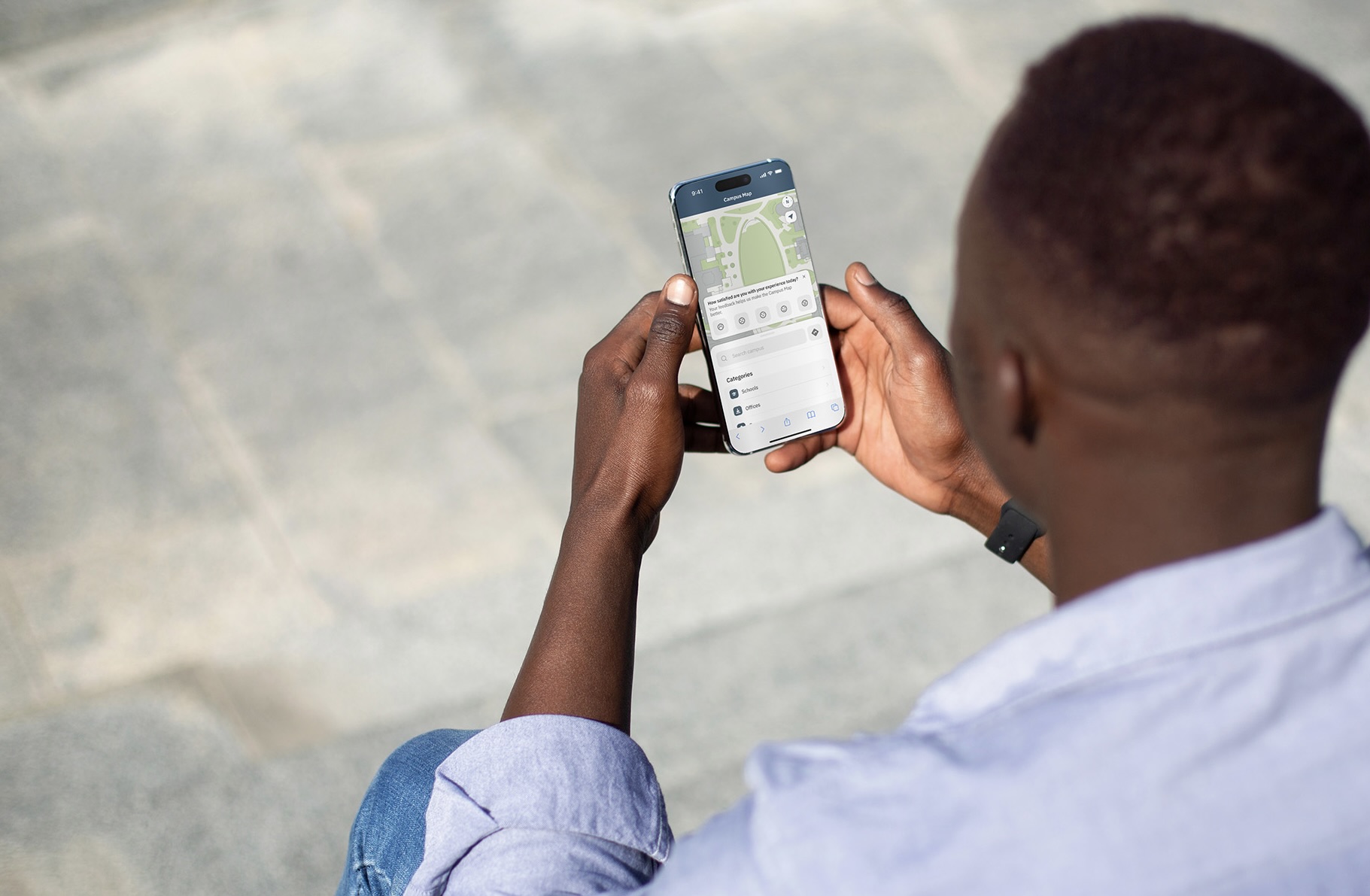
A well-built feedback function enables you to collect basic satisfaction scores, as well as gather text-based responses. You can hear directly from visitors about how they find the campus now and the usefulness of an app. Improving the experience for alumni tends to carry through to everyone: better search, more flexible routing and a more resilient product overall.
The lasting value of alumni connections
Alumni are valued for knowledge sharing, fostering academic community and ensuring the reputation of the university to attract new enrolments. Their role is vital for generations of students to get access to mentorship, internships and connections to business and academia. The users who are hardest to design for might only show up for a few days a year, but ensuring they feel connected to the story and success of their alma mater is an opportunity that shouldn’t be missed.


