
.avif)

Have you ever felt nervous about your first day in a new place? Wondered if you’ll make it to an appointment on time, or circled streets, unsure of the best place to park? Maybe you’ve taken a wrong turn, had to rush back the same way you came, ended up in a strange building, or struggled to find the step-free entrance you needed.
These moments turn what should be an exciting experience into one filled with anxiety. For students heading to university, dealing with this stress can have a big impact on their learning and social life.
The challenge of navigating a modern campus
University campuses are like small cities. Constantly evolving, full of life, and layered with learning, research, culture and community. They often feel daunting. First-year students, families, and even long-serving faculty members often face the same challenge: finding their way through path networks, sprawling buildings and rooms that keep changing purpose.
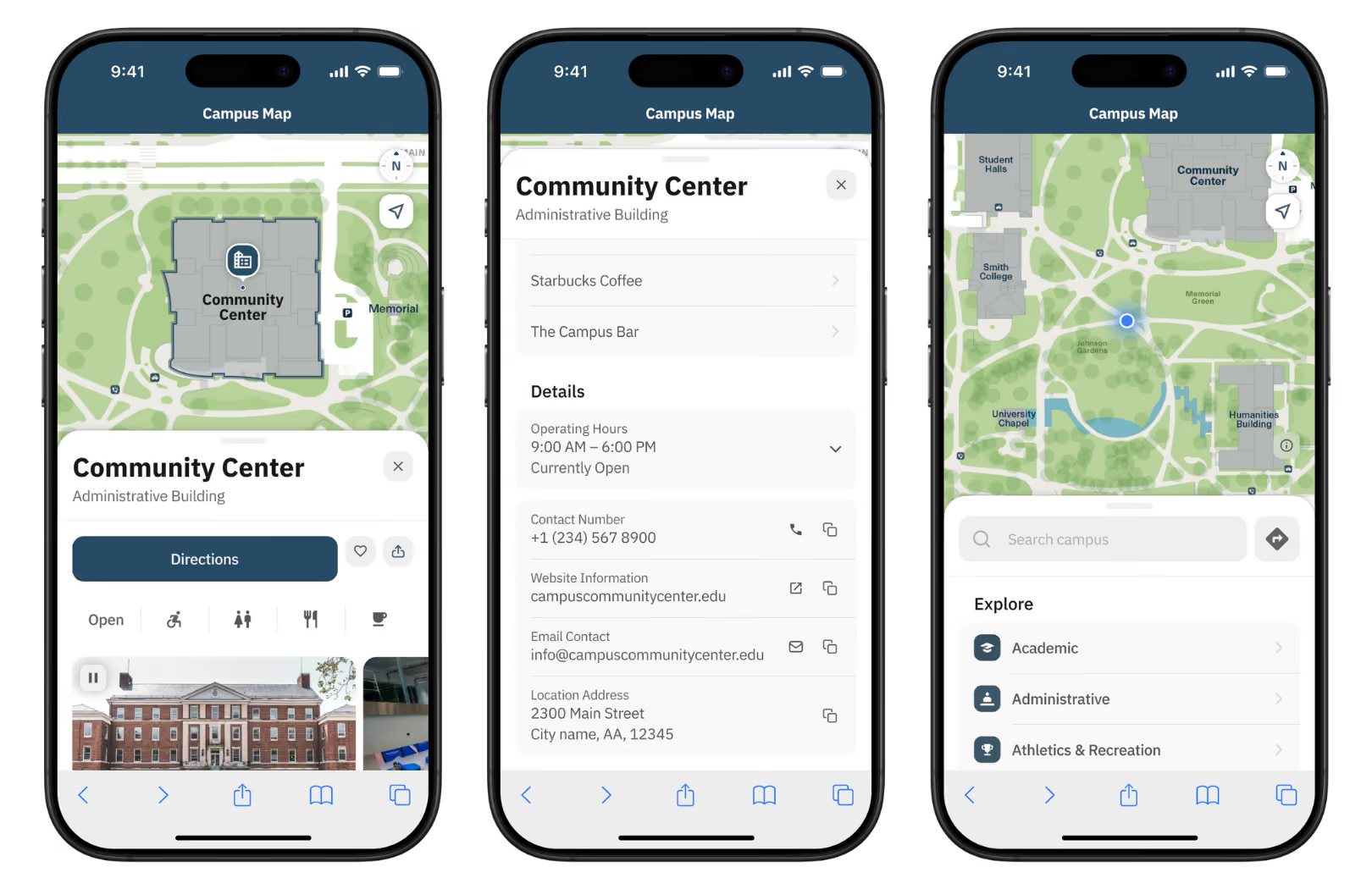
Traditional paper maps and digital tools like Google Maps don’t really solve the problem. They’re built for cities and roads, not the fine-grain detail of a campus. They may give you an idea of where the building is and its shape, but they rarely respond to the multitude of questions that matter to university students, staff and their visitors:
- Is this the right department?
- Which entrance can I use?
- How long will it really take to get across campus?
- What time is this building open until?
- Where’s the shuttle stop that connects to my next class?
Where Google Maps falls short
Generic mapping platforms have limits when applied to a complex campus setting. They calculate journey times based on main roads and external walkways. They fail to consider the intricate shortcuts and internal paths that students actually use, or the correct entrance to a building. That means a journey that might take 15 minutes in reality is estimated at 25, or vice versa. Over the course of a semester those small inaccuracies accumulate, leaving students rushing across campus, wasting time as they arrive too early, or too late, for a lecture.
Campuses also change constantly. New buildings open, facilities and departments are relocated, and construction blocks familiar routes. Google Maps updates slowly, so students and visitors often find themselves relying on outdated information. While it can show you a building outline, it won’t tell you which faculty it houses, where the closest or accessible entrance is, or whether the shuttle bus stops right outside.
A campus map fills those gaps. It incorporates rich data that generic tools lack, from internal path networks, to real-time construction updates, so the information people rely on is both accurate and relevant.
Reducing anxiety, building confidence
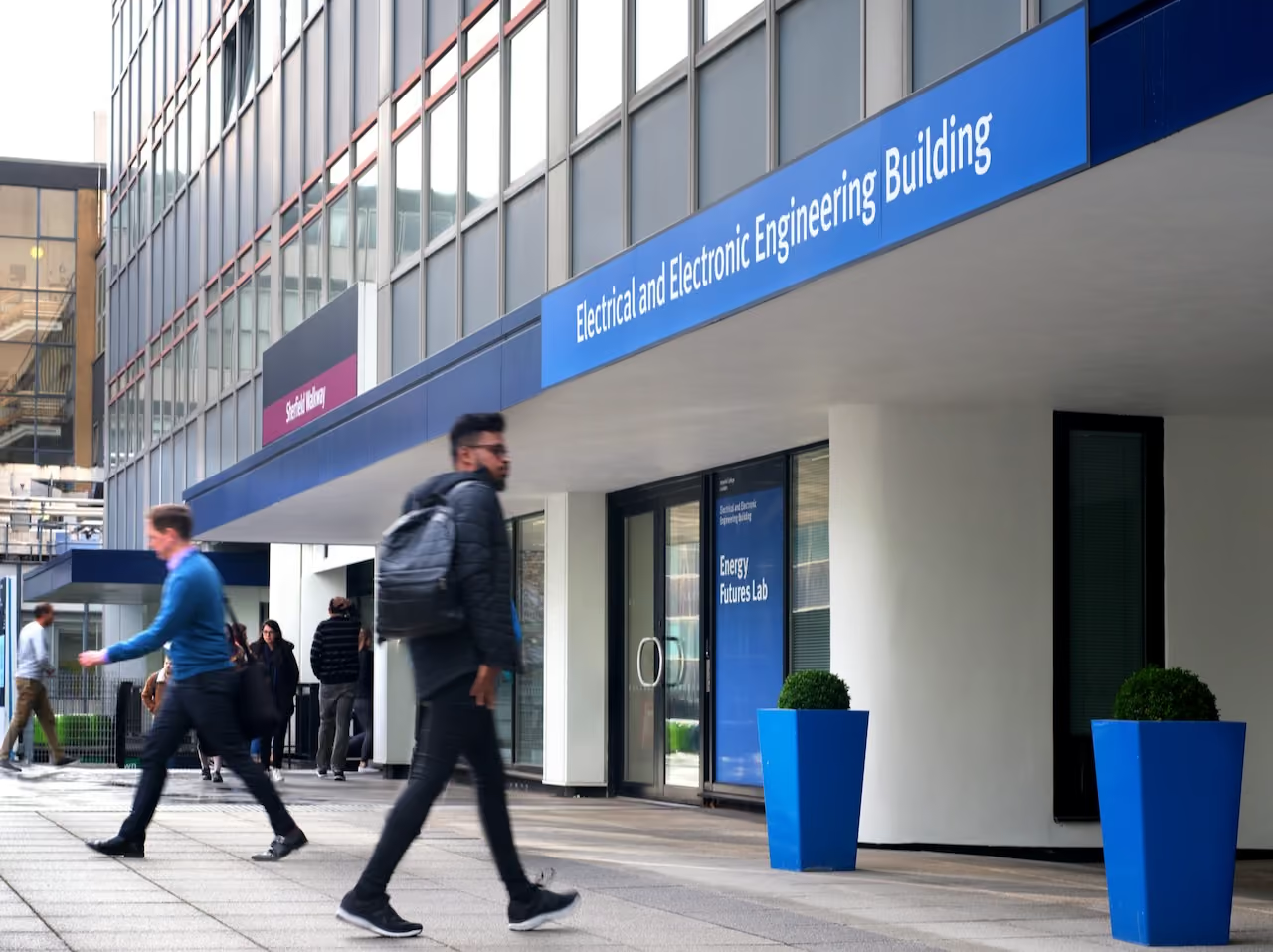
At the heart of this is something bigger than navigation: confidence. Arriving on campus for the first time can be intimidating. A digital campus map changes that. From the comfort of home, students and visitors can explore routes, entrances and facilities before they arrive, easing first-day nerves.
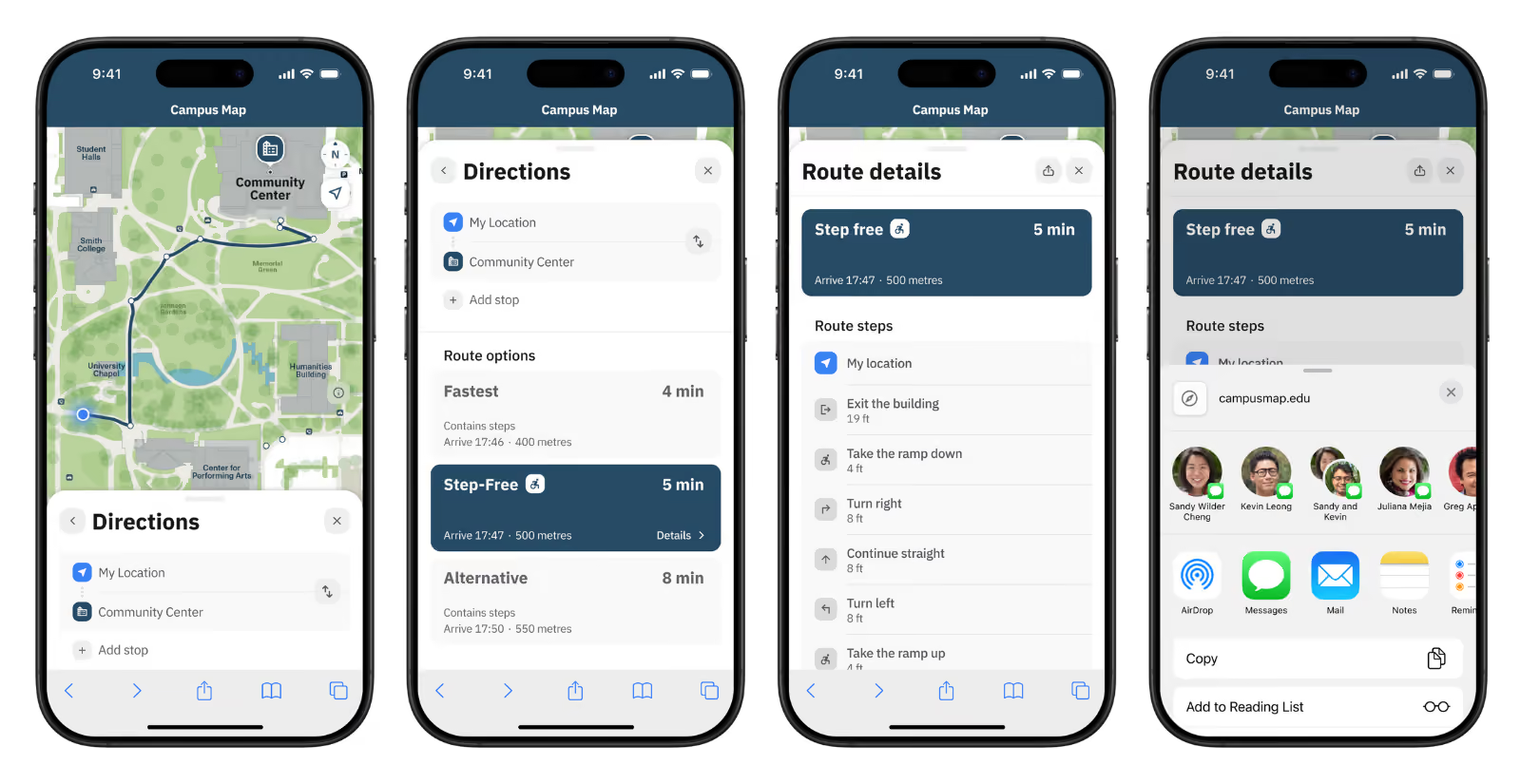
On-site, the same map is there at the moment it’s needed most, when someone has taken a wrong turn, feels disoriented, or needs reassurance about the fastest or most accessible path. For students with accessibility needs, neurodiverse individuals or international visitors, the difference is even more pronounced. Knowing that the map will bring up the right information, whether that’s step-free routes, quiet study spaces or the nearest place to eat, reduces anxiety, improves safety and helps people feel welcome.
During big moments in the academic calendar, like sporting events, graduations and move-in days, campuses are flooded with visitors who are unfamiliar with the intricacies of the site and distracted by other priorities. New students and their families want to know exactly where to park, register and unload their precious belongings. Fans arriving for sports matches need to know where amenities, like cafés and restrooms, are located. Distracted and excitable minds will struggle to focus on navigating and without reliable guidance stress builds quickly. With a bespoke map, the experience is seamless.
More than a map
A digital campus map can do much more than guide people from A to B. It can show building opening times, display live bus updates, and even share curated routes for special events. Galleries of images give new arrivals a sense of place before they step through the door. Route sharing makes it easy for students to guide classmates to meet up, or for families to find each other.
When you combine these features with the reassurance of consistent design, aligned with the university brand and the context of campus-specific data, the map becomes a digital extension of the university itself.
A well-designed campus navigation app isn’t just useful during orientation week. It can become a part of daily life at university. While most mobile apps lose the majority of their users within days (typically only 10–15% remain after a week, and 5–7% after a month)1, Applied’s Campus Map data tells a different story. More than 80% of users are still active on our app a week after download, with nearly the same proportion continuing to use it after thirty days. The app is not just a novelty for first-years trying to find their way. It has sustained user value and has become a key tool relied upon by established students, visitors, faculty and staff.
.avif)
Beyond navigation: an integrated wayfinding ecosystem
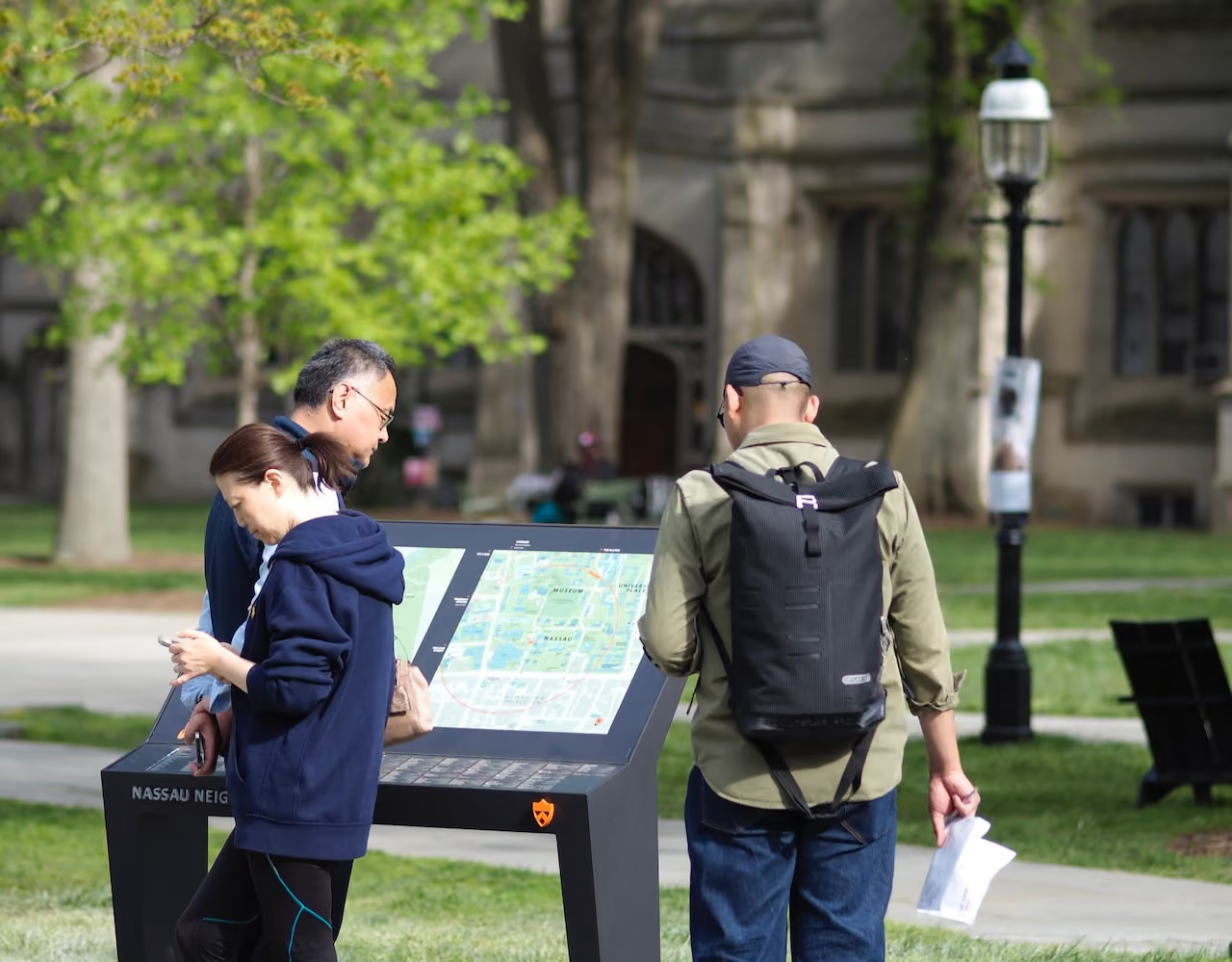
A digital campus map doesn’t stand alone. It can work as part of a wider, integrated university wayfinding system that unites the physical and digital environments. Signage across campus uses the same colours, symbols, maps and terminology as the map on your phone. A visitor might start at a physical sign, scan a QR code, and effortlessly continue their journey digitally. This consistency builds trust. It tells users that the university has thought about every touchpoint and invested in creating an environment that is intuitive and welcoming. For the institution, it’s a chance to reinforce brand identity and show care for its community.
Finding your way on campus should never feel daunting. There are far more important things to be focused on, whether that’s discovering a field of study, finishing your thesis, or making a great first impression with a new group of friends. By investing in integrated wayfinding systems, universities can reduce anxiety, build confidence and create more inclusive environments.


